Waste is a part of everyday life. But the way we manage it can either harm or heal the planet. And at the heart of responsible waste management is understanding the difference between biodegradable and nonbiodegradable waste.
Whether you’re sorting kitchen scraps or deciding how to dispose of packaging, it’s important to know what kind of waste you’re dealing with. This simple awareness helps us make better choices that reduce pollution and support sustainability.
What Is Biodegradable Waste?
Biodegradable waste is any waste that can be broken down naturally by microorganisms such as bacteria, fungi, and other living organisms. Over time, these materials decompose and become part of the soil again, without causing harm to the environment.
Some common biodegradable waste examples include:
- Fruit and vegetable scraps
- Leaves and plant clippings
- Paper, cardboard
- Food leftovers
- Natural textiles like cotton and jute
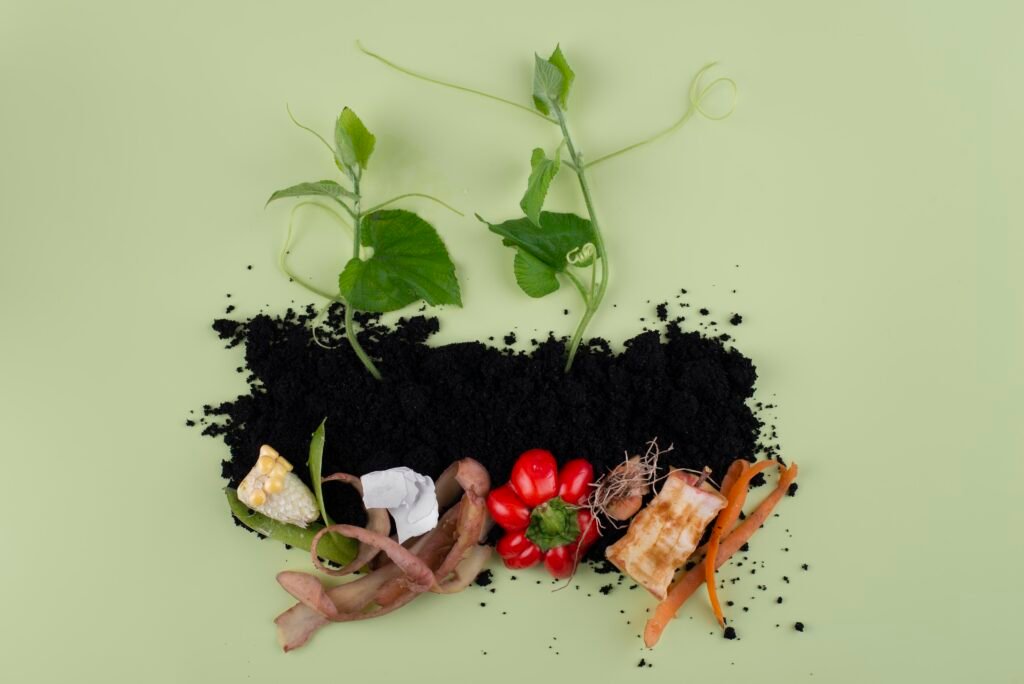
This kind of waste plays a positive role when handled correctly. Composting biodegradable materials, for instance, can improve soil health, reduce landfill use, and cut greenhouse gas emissions.
What Is Non Biodegradable Waste?
Non biodegradable waste includes materials that do not break down naturally or take hundreds of years to decompose. These items usually end up in landfills or oceans, where they remain for decades or even centuries, posing serious environmental threats.
Here are some typical non biodegradable waste examples:
- Plastic bottles, bags, and wrappers
- Glass containers
- Aluminum cans and other metals
- Styrofoam
- Synthetic textiles like polyester and nylon
- E-waste like batteries and old electronics
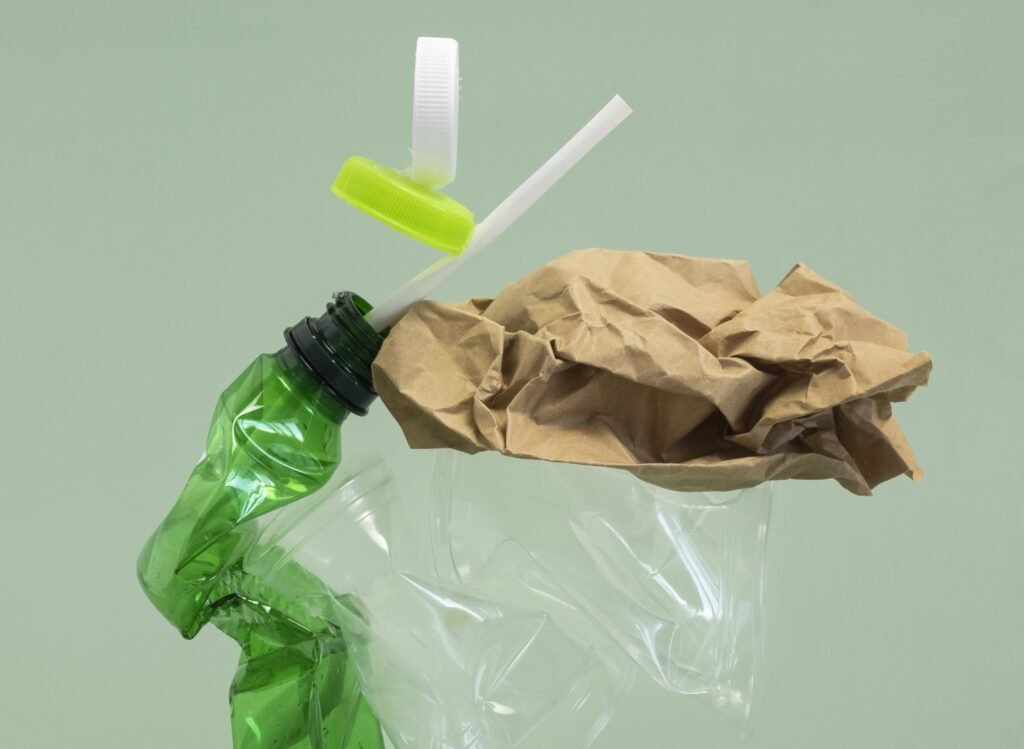
Understanding what is non biodegradable waste helps highlight the importance of reducing our use of these materials and improving recycling practices.
Biodegradable Waste Meaning in Everyday Life
The meaning of biodegradable waste is simple—it’s the kind of waste that returns to nature without causing harm. When we choose products that can biodegrade, like paper packaging or compostable utensils, we’re supporting a waste system that works with the environment instead of against it.
Comparison: Biodegradable vs Non Biodegradable Waste
Here’s a side-by-side comparison to clearly understand the difference between biodegradable waste and non biodegradable waste:

Biodegradable Waste
- Breaks down naturally by microorganisms
- Decomposes in a short period (days to months)
- Eco-friendly and less harmful to the environment
- Examples: food scraps, paper, leaves, cotton
- Can be composted or used in organic recycling
- Supports sustainable waste practices
Non-Biodegradable Waste
- Does not decompose naturally
- Remains in the environment for years or centuries
- Pollutes land, water, and air
- Examples: plastic, glass, metal, synthetic fabric
- Often ends up in landfills or requires energy-intensive recycling
- Poses long-term environmental challenges |
Why This Difference Matters
Understanding the difference between biodegradable and nonbiodegradable waste has real-life value. Improper segregation can lead to overflowing landfills, blocked drains, and increased environmental pollution.
On the other hand, responsible waste disposal can:
- Reduce your carbon footprint
- Support community composting efforts
- Encourage companies to use biodegradable food packaging bags
- Minimize marine pollution from plastic waste
- Promote the use of biodegradable plastic grocery bags instead of harmful alternatives
Knowing what goes where can help households, businesses, and municipalities make smarter waste choices.
What You Can Do
You don’t need to overhaul your entire lifestyle overnight. Small steps go a long way. Here are a few things you can do right now:
- Start composting at home with a simple bin for organic waste
- Avoid products with excess non biodegradable packaging
- Choose items made with compostable or recyclable materials
- Educate your community on how to sort and dispose of waste
- Support policies that push for better waste management
Conclusion
The difference between biodegradable and nonbiodegradable waste isn’t just scientific—it’s practical and deeply relevant to daily life. Knowing what type of waste you’re dealing with is the first step toward reducing pollution and protecting the environment.
From kitchen bins to packaging choices, your everyday decisions matter. By choosing to understand and act on this difference, you’re not just throwing something away—you’re helping build a greener future.
FAQs on the Difference Between Biodegradable and Nonbiodegradable Waste
1. What is biodegradable waste?
Biodegradable waste refers to materials that can naturally break down into harmless substances with the help of microorganisms like bacteria and fungi. These materials return to the soil without polluting the environment. Common biodegradable waste examples include food scraps, paper, cotton, and dried leaves.
2. What is non biodegradable waste?
Non biodegradable waste includes materials that do not break down naturally or take hundreds of years to decompose. They can pollute land, water, and air if not managed properly. Common non biodegradable waste examples include plastic bottles, glass containers, aluminum cans, and synthetic fabrics.
3. What is the main difference between biodegradable waste and non biodegradable waste?
The difference between biodegradable waste and non biodegradable waste lies in how they break down and affect the environment. Biodegradable waste decomposes quickly and safely, enriching the soil, while non biodegradable waste remains in the environment for decades or centuries, causing long-term pollution.
4. Why is it important to know the difference between biodegradable and nonbiodegradable waste?
Knowing the difference between biodegradable and nonbiodegradable waste helps in proper waste segregation, reducing landfill load, preventing marine pollution, and promoting recycling and composting. It also supports the shift towards eco-friendly products and packaging.
5. Can you give more biodegradable waste examples?
Yes. Additional biodegradable waste examples include vegetable peels, eggshells, tea leaves, coffee grounds, jute bags, and cardboard boxes. All of these break down naturally and can be composted to improve soil health.
6. What is the biodegradable waste meaning in everyday life?
The biodegradable waste meaning is simple—it’s waste that nature can recycle on its own without harming the planet. Choosing biodegradable materials like paper packaging or compostable utensils helps us create a waste cycle that supports the environment instead of damaging it.
7. Can you give more non biodegradable waste examples?
Additional non biodegradable waste examples include styrofoam packaging, e-waste like batteries, old electronics, polythene bags, and polyester clothing. These items often require special disposal or recycling methods to prevent environmental harm.
8. How can I reduce non biodegradable waste in my daily life?
You can reduce non biodegradable waste by avoiding single-use plastics, choosing biodegradable or recyclable alternatives, supporting products with minimal packaging, and participating in community recycling and composting programs.
9. Why does biodegradable waste matter for sustainability?
Properly managing biodegradable waste helps reduce greenhouse gas emissions, improves soil quality through composting, and lowers the amount of waste ending up in landfills. It’s one of the easiest and most effective steps towards sustainable living.
10. What role do individuals play in managing both types of waste?
Every person can make a difference by learning what is biodegradable waste and what is non biodegradable waste, separating them at the source, and disposing of them responsibly. Small, consistent actions can create a big positive impact on the environment.