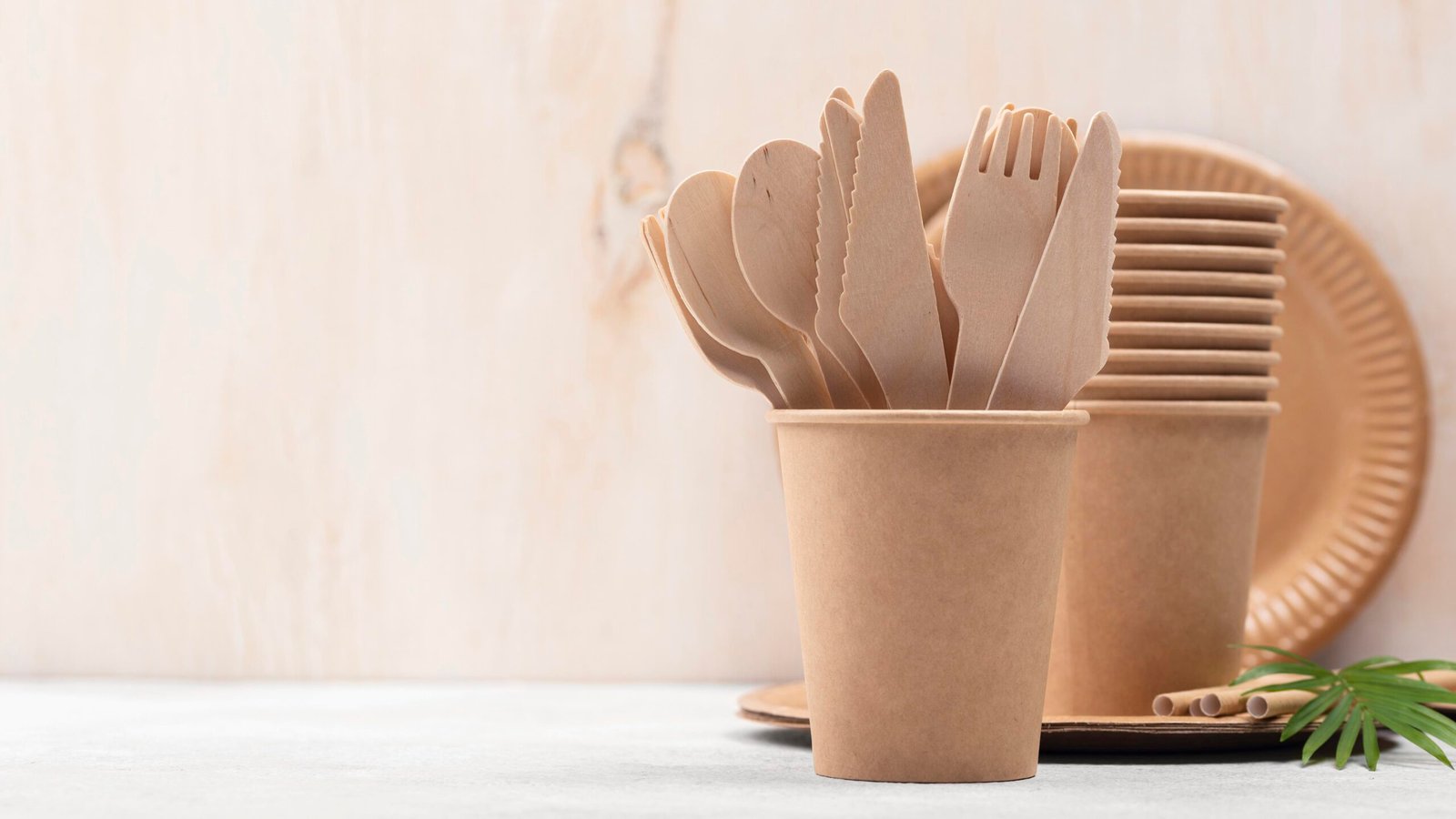
We’re living in a time when reducing plastic and protecting the environment are no longer optional. People are actively looking for products that do less harm to the planet — especially when it comes to packaging and food service. One of the most promising alternatives is sugarcane bagasse products.
Made from the fibrous pulp left after extracting juice from sugarcane, bagasse used to be burned or discarded. Today, it’s being transformed into plates, bowls, trays, and takeaway boxes that are strong, affordable, and environmentally responsible. In this post, we’ll explore why these products matter, how bagasse products in India are growing rapidly, and what makes biodegradable bagasse products a smart choice for businesses and consumers alike.
What Are Sugarcane Bagasse Products?
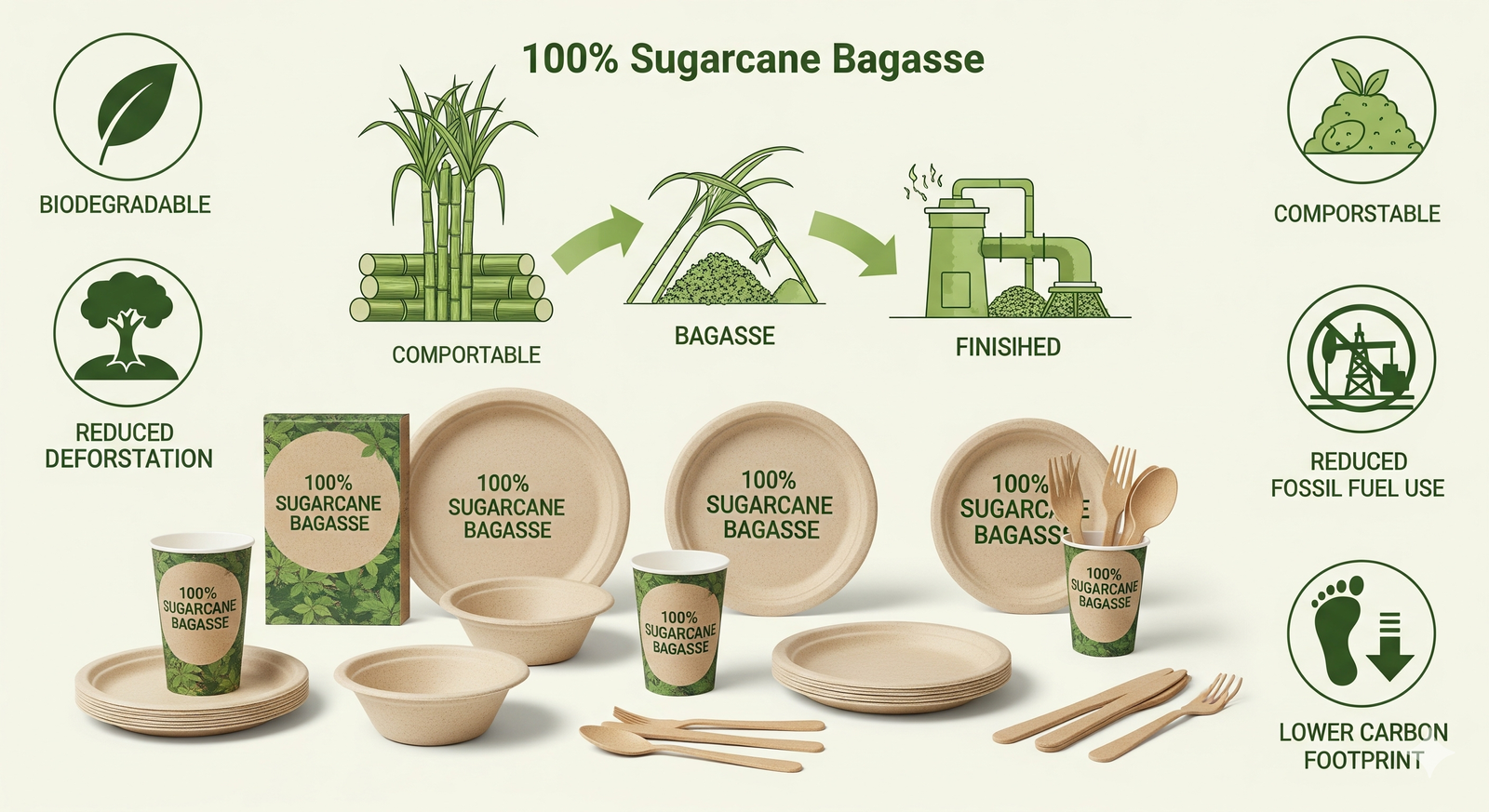
When sugarcane is crushed to make sugar, a dry, fibrous residue called bagasse is left behind. Instead of letting it go to waste, manufacturers now upcycle it into a variety of packaging items — everything from clamshell boxes and plates to coffee-cup lids.
Because bagasse is an agricultural by-product, sugarcane bagasse products don’t require additional resources like trees or petroleum. They’re renewable, compostable, and perfectly suited to replacing single-use plastic or Styrofoam.
Why Sugarcane Bagasse Products Are Better for the Environment
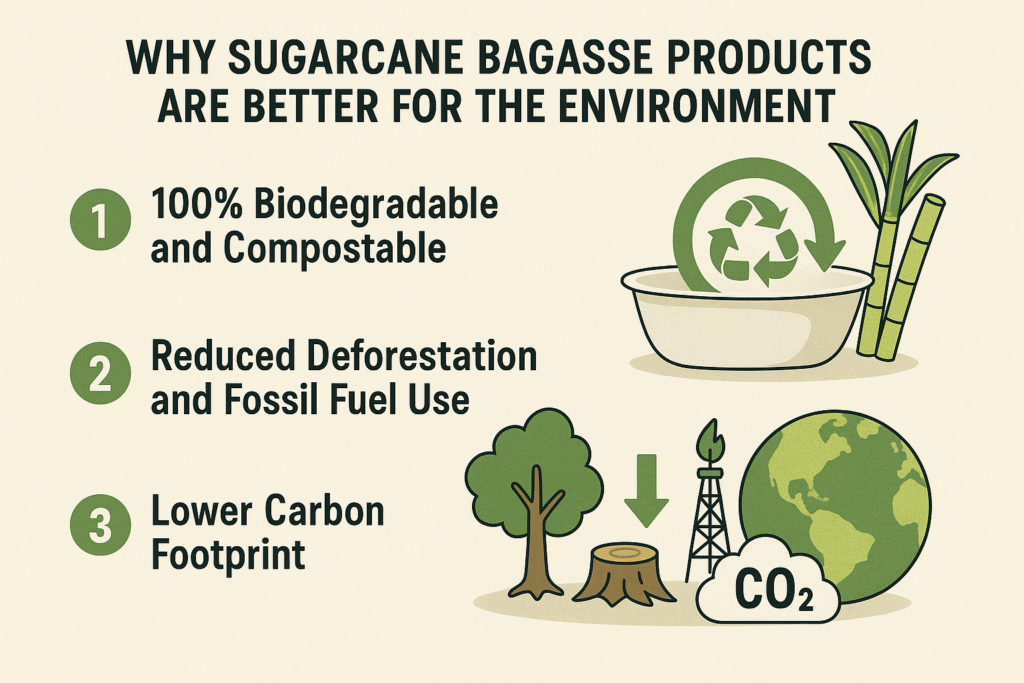
1. 100% Biodegradable and Compostable
Unlike plastic, which lingers for centuries, biodegradable bagasse products break down within a few months under composting conditions. That means less landfill waste and less marine pollution.
2. Reduced Deforestation and Fossil Fuel Use
No trees are cut and no crude oil is used to make sugarcane bagasse products. Instead, existing agricultural waste is given a second life.
3. Lower Carbon Footprint
Production generates far fewer greenhouse gas emissions compared to plastic. And because most bagasse products in India are produced locally, transport emissions are also reduced.
Bagasse Products in India: A Natural Opportunity
India is among the largest sugarcane-producing countries in the world, which makes it a natural hub for manufacturing bagasse packaging. With plastic bans and sustainability regulations being rolled out across multiple states, demand for bagasse products in India is rising quickly.
Restaurants, caterers, cloud kitchens, and event planners are all adopting biodegradable bagasse products to meet regulations and appeal to environmentally conscious customers. You may have already eaten from a bagasse plate or received a food delivery in a compostable clamshell without realising it.
This local sourcing benefits everyone: farmers earn more, manufacturers have abundant raw material, and businesses get affordable eco-friendly packaging options.
Everyday Advantages Beyond Sustainability
Choosing sugarcane bagasse products isn’t just about going green — they also work better than many expect:
- Sturdy and leak-resistant: Ideal for hot curries, oily foods, and cold desserts.
- Microwave and freezer safe: Convenient for both food service providers and customers.
- Clean, premium look: The natural texture enhances food presentation.
- Cost-effective at scale: As production ramps up, prices are becoming more competitive with plastic and paper alternatives.
These practical benefits make it easier for businesses to switch without compromising on quality or budget.
Supporting a Circular Economy
Sugarcane bagasse products embody the principles of a circular economy. Waste from one process (sugar production) becomes the raw material for another (packaging). After use, biodegradable bagasse products can be composted and returned to the soil as organic matter.
This loop reduces waste, lowers pollution, and creates new green jobs. In a country like India, where both agriculture and food service industries are large, scaling up bagasse products in India can make a huge difference to the environment and the economy.
How to Choose the Right Bagasse Products
If you’re ready to adopt these eco-friendly alternatives, here’s what to keep in mind:
- Check certifications to ensure genuine compostability.
- Source locally from suppliers of bagasse products in India to cut transport costs and emissions.
- Look for variety: Plates, bowls, clamshell boxes, trays — having options makes it easier to standardise your packaging.
By choosing certified, locally produced biodegradable bagasse products, your business can reduce its footprint while enhancing its sustainability story.
Final Thoughts
The shift away from plastic is accelerating, and sugarcane bagasse products are at the forefront of that movement. They’re renewable, compostable, sturdy, and increasingly affordable. With India’s abundant supply of sugarcane and a growing manufacturing base, bagasse products in India are poised to revolutionise disposable packaging.
Switching to biodegradable bagasse products isn’t just about meeting regulations; it’s about making a tangible difference. Whether you’re a café owner, a caterer, an event planner, or simply a conscious consumer, using bagasse packaging is one of the simplest ways to reduce your environmental impact while keeping convenience and quality intact.
Small decisions like these, multiplied across millions of people, add up to a massive positive impact — exactly what a sustainable future needs.