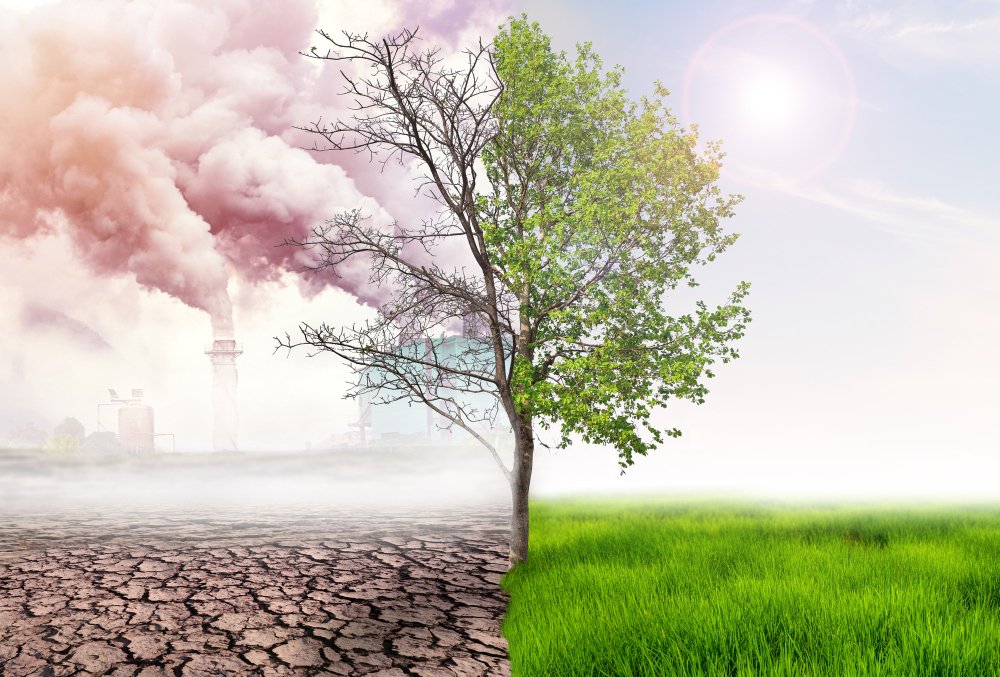
Climate change is no longer a distant problem — it is already affecting our lives through extreme weather events, rising sea levels, and ecosystem disruptions. The question that matters now is: how can we stop climate change?
This article explores:
- What climate change is
- Its major causes
- Effective solutions that can be adopted on individual, community, and global levels
Climate Change Introduction
Climate change is one of the biggest challenges facing the world today. It refers to long-term changes in the Earth’s climate, including rising average temperatures, shifting weather patterns, and more frequent extreme weather events. These changes are largely driven by human activities, especially since the industrial revolution, which introduced large-scale burning of fossil fuels like coal, oil, and natural gas.
The consequences of climate change are already visible — glaciers are melting, sea levels are rising, and many regions experience droughts or floods that disrupt ecosystems and human livelihoods. Understanding how can we stop climate change is critical if we want to prevent irreversible damage to the planet and ensure a livable future for generations to come.

Major Causes of Climate Change
Before exploring solutions, it’s essential to understand the key causes behind climate change:
1. Burning Fossil Fuels
The largest source of greenhouse gases globally is the burning of fossil fuels for electricity, heating, and transportation. Carbon dioxide (CO₂) released during this process traps heat in the atmosphere, warming the planet.

2. Deforestation
Forests act as carbon sinks by absorbing CO₂. When trees are cut down for agriculture, urban development, or logging, this carbon absorption decreases, and stored carbon is released back into the atmosphere.

3. Industrial Emissions
Factories and industries release a variety of greenhouse gases, including methane and nitrous oxide, from chemical processes and waste.

4. Agriculture
Livestock such as cows and sheep produce methane during digestion, a greenhouse gas much more potent than CO₂. Additionally, fertilizer use releases nitrous oxide.

5. Waste Management
Organic waste in landfills decomposes anaerobically, releasing methane. Plastic pollution also adds to climate change by involving fossil fuel use and environmental degradation.

Practical Climate Change Solutions
To address climate change effectively, we need to focus on solutions that reduce greenhouse gas emissions, increase carbon capture, and promote sustainability. Here are some of the most promising actions:
1. Transition to Renewable Energy
Replacing coal, oil, and gas with renewable energy sources such as solar, wind, and hydroelectric power can drastically reduce emissions. Governments around the world are incentivizing renewable energy adoption, and solar panel installations in homes and businesses are becoming more affordable.

2. Improve Energy Efficiency
Small changes like switching to LED lighting, properly insulating buildings, and using energy-efficient appliances can reduce energy consumption significantly. This not only cuts emissions but also lowers energy bills.

3. Sustainable Transportation
The transport sector is a major contributor to climate change. Solutions include increased use of public transit, carpooling, biking, walking, and the adoption of electric vehicles. Governments are investing in electric vehicle infrastructure, and consumers are gradually shifting toward cleaner transportation options.

4. Climate-Friendly Diets
The food system contributes nearly a quarter of global greenhouse gas emissions. Reducing meat consumption and opting for plant-based diets can lower methane emissions from livestock farming. Eating locally grown, seasonal foods also reduces emissions related to transportation.

5. Reduce Waste and Use Sustainable Products
Proper waste management prevents methane release from landfills. Composting organic waste and recycling materials reduce environmental harm. Using products with minimal packaging or biodegradable alternatives helps lower plastic pollution, which is linked to climate change.

The Role of Sustainable Packaging
One important but often overlooked solution is adopting sustainable packaging. Traditional plastic packaging is made from fossil fuels and contributes significantly to pollution and carbon emissions.
Biodegradable packaging is designed to break down naturally, reducing landfill waste and the environmental footprint. Brands offering eco-friendly packaging help companies transition to greener operations, which in turn supports broader climate change solutions.
What Can You Do to Help Stop Climate Change?
While systemic changes are crucial, individual actions also matter. Here are some steps you can take today:
- Use renewable energy: If possible, install solar panels or subscribe to green energy programs.
- Drive less: Opt for public transport, bike, walk, or carpool whenever you can.
- Save energy at home: Switch off unused appliances, use energy-efficient devices, and insulate your home.
- Reduce waste: Recycle, compost organic material, and avoid single-use plastics.
- Support sustainable brands: Buy products from companies committed to eco-friendly practices, like those offering biodegradable packaging.
- Spread awareness: Talk about climate change and encourage others to act.
Conclusion
Stopping climate change is a complex challenge, but it is possible if we act collectively and decisively. By understanding the causes and implementing practical climate change solutions, from renewable energy adoption to sustainable consumption, we can reduce greenhouse gas emissions and protect our planet.
The time to act is now. Each individual, business, and government has a role to play. Together, we can slow down global warming and secure a healthier future for all.