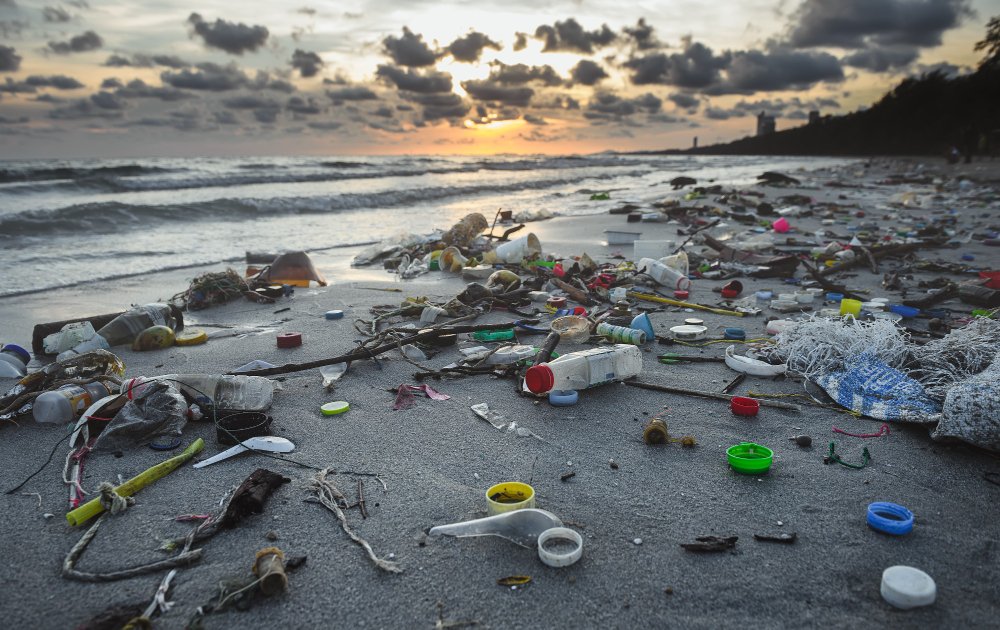
Plastic pollution has become one of the most pressing environmental challenges of the 21st century. From clogging city drains to polluting the deepest parts of the ocean, plastic waste is everywhere. Despite growing awareness, the problem continues to worsen. Understanding the causes of plastic pollution is the first step toward curbing it and finding practical solutions. This blog explores the most significant contributors to plastic waste and how they have escalated into a global crisis, with a particular focus on India.
The Ubiquity of Plastic in Modern Life
Plastic is a highly versatile and affordable material. It is lightweight, durable, waterproof, and inexpensive to produce, making it ideal for thousands of applications—from food packaging and medical devices to electronics and textiles. However, its very strengths are also its weaknesses. Because plastic is designed to be durable, it doesn’t degrade easily. Most plastic products take hundreds of years to decompose, leading to accumulation in landfills, rivers, oceans, and even the air.
Widespread Single-Use Plastic Products
One of the biggest causes of plastic pollution is the explosion of single-use plastics. These are products designed to be used once and discarded—plastic straws, bags, cutlery, water bottles, wrappers, and food containers. While they offer convenience, their short life cycle and poor disposal methods result in massive environmental waste. Unfortunately, most of these items are not recycled and end up in the natural environment, where they persist for decades.
Inadequate Waste Management Systems
Another key reason for the rise in plastic waste is poor waste management infrastructure, especially in developing countries. Municipalities often lack the resources or systems to collect, segregate, and recycle plastic waste effectively. In rural areas and informal urban settlements, garbage is frequently dumped in open spaces or burned, contributing to both land and air pollution. When waste is not managed properly, plastic inevitably makes its way into water bodies, soil, and the food chain.
Over-Dependence on Plastic Packaging
Modern packaging relies heavily on plastic due to its protective qualities and cost-efficiency. From online retail to groceries and pharmaceuticals, plastic packaging is dominant across industries. Unfortunately, most of it is designed for single-use and is difficult to recycle because of its mixed material composition. Without viable alternatives and corporate responsibility, the volume of discarded packaging will continue to be a major contributor to plastic pollution.
Lack of Awareness and Consumer Behavior
Consumer habits play a critical role in the causes of plastic pollution. Many people still dispose of plastic items irresponsibly—throwing them out of vehicles, littering streets, or mixing them with organic waste. Public awareness campaigns are insufficient in many parts of the world, and recycling is often seen as optional rather than essential. Additionally, the low cost of plastic means there’s little incentive to reuse or recycle, resulting in a throwaway culture.
Give Reason for Plastic Pollution: Industrial Practices
Industrial activity is another major contributor to the problem. Many industries use plastic in production, packaging, and distribution, and not all follow environmentally responsible practices. Plastic pellets, known as nurdles, are frequently lost during manufacturing and shipping, ending up in waterways. Moreover, some industries illegally dump plastic waste into rivers or open landfills, bypassing regulations.
Plastic Pollution in India: A Growing Concern
India, with its rapidly growing economy and population, faces unique challenges related to plastic waste. The country generates over 3 million metric tonnes of plastic waste annually, and only a fraction of that is properly recycled. While government bans on single-use plastics and Extended Producer Responsibility (EPR) laws are steps in the right direction, enforcement remains a challenge.
Urban areas suffer from overflowing garbage bins, while rural areas often resort to burning waste, releasing toxic fumes. The cultural practice of using disposable plastic for religious events, weddings, and festivals adds to the waste burden. Plastic pollution in India is exacerbated by informal sectors, which handle the majority of waste but often lack training, safety gear, and market access for recyclable materials.
Marine and Soil Contamination
Plastic waste doesn’t stay in one place. It travels through wind and water, often ending up in rivers and oceans. Marine animals mistake plastic for food, leading to choking, poisoning, and death. Microplastics—tiny plastic particles resulting from degradation—are now found in fish, salt, and even drinking water. On land, plastics block plant roots, alter soil composition, and leak harmful chemicals, impacting agriculture and groundwater.
The Role of Government and Policy
Governments across the world have started addressing plastic waste through legislation, but progress varies. Bans on single-use plastics, taxes on plastic bags, and recycling mandates are some of the measures being introduced. However, the success of these initiatives largely depends on enforcement and public cooperation.
In India, the Swachh Bharat Mission and Plastic Waste Management Rules aim to tackle the problem systematically. These include guidelines for collection, segregation, recycling, and extended producer responsibility. Yet, on-ground implementation remains inconsistent.
Innovation and Alternatives
While the causes of plastic pollution are multifaceted, innovation offers hope. Biodegradable materials, compostable packaging, and reusable alternatives are increasingly being developed and adopted. Startups and social enterprises in India and around the world are working on solutions like plant-based plastic, reusable cloth packaging, and zero-waste retail stores. Businesses that adopt sustainable packaging are gaining favor with environmentally conscious consumers.
Conclusion
The causes of plastic pollution are deeply rooted in convenience, industrial practices, and ineffective waste management. It is a global issue that requires action at every level—from individuals and corporations to municipalities and national governments. Changing consumer behavior, investing in infrastructure, and encouraging sustainable alternatives are all necessary to reverse the damage done.
Understanding and addressing the reasons behind plastic pollution is not just about cleaning up waste. It’s about reshaping our relationship with the materials we use and taking collective responsibility for the health of our planet.
FAQs on the Causes of Plastic Pollution
- What are the main causes of plastic pollution?
Overuse of single-use plastics, poor waste management, and industrial dumping are the biggest causes of plastic pollution. - Can you give reason for plastic pollution increasing?
If we give reason for plastic pollution, it’s mainly because plastic is cheap, convenient, and long-lasting—but it doesn’t break down easily. - Why is plastic pollution in India a serious issue?
Plastic pollution in India is worsened by high population, poor recycling rates, and open dumping in both cities and rural areas. - How does single-use plastic contribute to pollution?
Items like bottles, bags, and straws are used briefly but last for centuries, adding massively to plastic waste. - Can plastic pollution be reduced?
Yes—by banning single-use items, using biodegradable alternatives, and improving recycling systems.
6. How does plastic pollution harm the environment?
It kills marine life, contaminates soil, and breaks into microplastics that enter our food and water.